


In the novel A Tale of Two Cities by Charles Dickens, one of the great classics of all time, the Englishman Sydney Carton switches places with French aristocrat Charles Darnay, who is about to be executed during the French Revolution.
Carton, an Englishman, is free to live the rest of his life outside of the travesties of the French Revolution. Yet he tosses away his options to let another man, Darnay, escape the executioner. Darnay then receives the postponement of his sentence and the freedom to continue to live his life as he sees fit.
In the novel, what motivates Carton to do this? Social justice? Outrage at the ruthlessness of the French Revolution? Neither of those. Carton makes his sacrifice for love. In the novel, Carton has one great love, Lucie Manette, who has married Darnay. He knows he can never have her, but he can sacrifice himself for her happiness.
Under the biblical Old Covenant, yearly sacrifices were a part of life, standard fare, with the rules written down so that no one could claim, “Oh, I have to do what? No one ever told me.”
Then there were the priests from the tribe of Levi. These Levitical priests claimed their jobs by birth-right, not by inclination or skill. As the older generations gave way and new priests rose to fulfill the role of intermediary between man and God, sometimes they veered offline, even leading the people astray with loose teachings.
These earthly priests were men filled with human desires and weaknesses, so much so that their first requirement upon entering the Temple was to offer sacrifices for their own sins before they could make the animal sacrifices for the sins of the people. They could only enter the Holy of Holies once a year, and they had to perform these rites over and over, year after year.
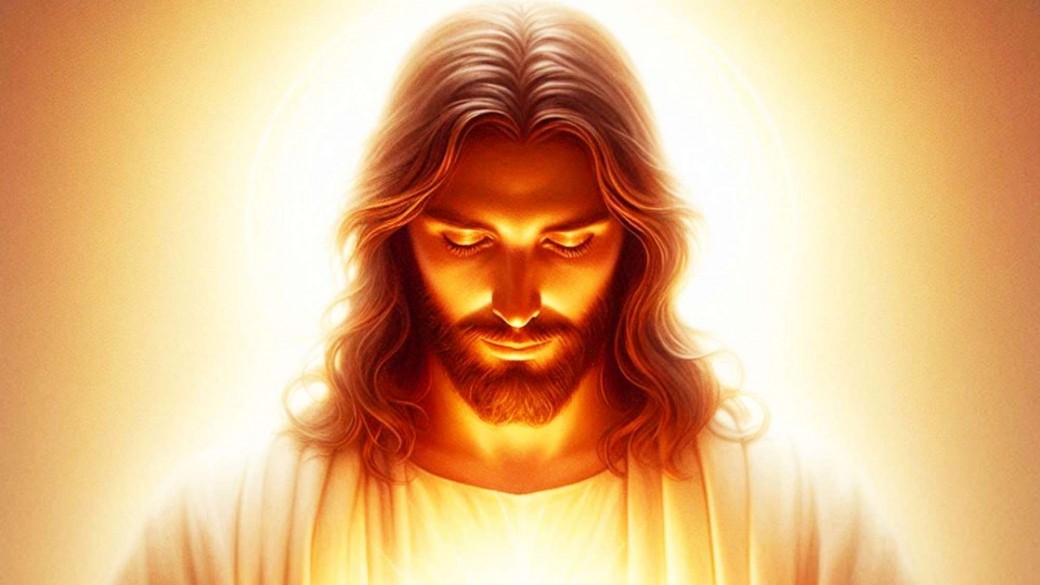
These Levitical sacrifices served as waystations, stops along the way, and they were pointers to the Messiah, who was Jesus, and who would be the perfect sacrifice for all mankind.
Here’s what makes Jesus different from the Levitical priests:
Jesus was chosen by God to be the ultimate priest due to his personal qualifications (Heb. 7:11-22).
Jesus became a permanent priest. He never dies and never has to groom a replacement for his position (Heb. 7:23-25).
Jesus has no sin and can take our sins directly before God. He does not need to offer a sacrifice for himself (Heb. 7:26-27).
Jesus ministers to us and for us in a heavenly setting (Heb. 8:1-5).
Jesus ministers to us under the New Covenant rather than the Old Covenant (Heb. 8:6-13).
The priests could only enter the Most Holy Place once a year. Jesus enters freely, at any time, to minister there on our behalf (Heb. 9:11-24).
Jesus made the final sacrifice, one that never has to be repeated (Heb. 9:25-10:24).
Sydney Carton thought his sacrifice beneficial to one other person, and because of his love for her, gave up his life.
The Levitical priests viewed their position in the Temple as a job, one they performed at varying levels of proficiency … over and over, year after year.
1 John 4:10 in the ESV tells us:
“This is real love—not that we loved God, but that he loved us and sent his Son as a sacrifice to take away our sins.”
Jesus became the ultimate priest. His sacrifice out-shone all other sacrifices. In his perfection, through the New Testament Covenant, he takes our sins directly before God and lays them before the Father. Jesus’ sacrifice is so much better than the temporary sacrifices offered by the Levitical priests. His death on the cross did what those sacrifices could never do. It made the forgiveness of sin possible in a final, once-and-for-all manner, so that the same level of sacrifice would never be necessary again.
The Old Covenant was only ever meant to be a waystation in God’s plan for humanity. With the coming of Jesus, it is no longer necessary and no longer in effect. We can now draw near to God through his Son with the full assurance of the forgiveness of our sins when we accept Jesus as our savior.
Copyright © 2026 MyChurchNotes.net