


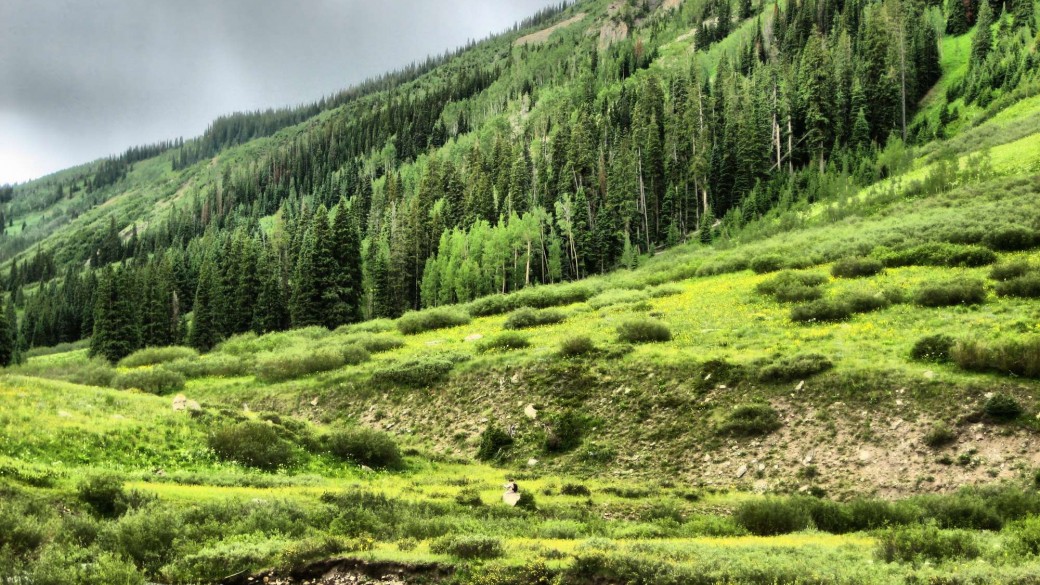
We all want to graze in the fields of God’s goodness. After all, who would choose to live a life of need and want, where our children have poor medical care, and our chances of surviving to old age are slim to none?
God has special instructions for those who reside in the lush fields of plenty. We must be especially careful to remember who has set us there, or we will become no more than fat cows in clover, and we will forget that there is a world out there in need.
Amos 4:1 tells us:
“Hear this word, you cows of Bashan, who are on the mountain of Samaria, who oppress the poor, who crush the needy, who say to your husbands, ‘Bring, that we may drink!’ ”
Bashan lay east of the Jordan River. The soil was rich, and the best animals came from Bashan. To say someone was from Bashan was to say they led a life of decadence and ease, filled with luxurious living and expensive tastes.
God had nothing against Bashan. He's the one who created it. Yet, we read of his lament in Ezekiel 39:19:
“You shall eat the flesh of the mighty, and drink the blood of the princes of the earth—of rams, of lambs, and of he-goats, of bulls, all of them fat beasts of Bashan.”
The good of the land is God’s gift unto us. It is up to us to be careful not to misuse God’s gifts.
1 Corinthians 6:19 tells us:
“Or do you not know that your body is a temple of the Holy Spirit within you, whom you have from God? You are not your own.”
We belong to God the Father. We are part and parcel his. If we allow ourselves to abuse his gifts to us, worldly or spiritual, we will one day look in the mirror and see what we’ve really become: Fat Cows of Bashan, greedy people who live only for the luxuries this world can provide.
We must be as the Apostle in Galatians 2:10:
“Only, they asked us to remember the poor, the very thing I was eager to do.”
When we share our blessings with the needy, God will increase our time in Bashan, and we will continue to know his blessings all of our days.
When we bless others, God returns those blessings unto us.
Copyright © 2015 MyChurchNotes.net
Code: FGO.B.27.15.vp.esv